
Epoxy Floor Safety Guide: Preventing Slips with Smart Solutions
West Ipswich, Australia - February 10, 2026 / Crystal Epoxy Flooring Ipswich /
Epoxy flooring has become a popular choice for garages, warehouses, retail spaces, and even homes across Ipswich. It looks great, lasts for years, and protects concrete from damage. But one question comes up time and time again: Is epoxy flooring slippery? The short answer is that it can be, but it doesn't have to be. With the right finish, additives, and maintenance, epoxy floors can be just as safe as any other flooring option. This guide explores everything you need to know about epoxy flooring slip resistance and how to keep your floors safe for everyone who walks on them.

Is Epoxy Flooring Actually Slippery?
Standard epoxy flooring can be slippery, especially when it has a high-gloss finish. The smooth, shiny surface that makes epoxy look so attractive can also reduce traction, particularly when the floor is wet. However, this doesn't mean epoxy flooring is always a slip hazard. The level of slip resistance depends on several factors, including the type of finish, any additives used during installation, and how well the floor is maintained. Many epoxy floors are designed with safety in mind and include features that provide excellent grip, even in wet conditions.
What Makes Epoxy Floors Slippery? Understanding the Risk Factors
Several factors can affect how slippery an epoxy floor becomes. The most common culprit is moisture. When water, oil, or other liquids spill on a smooth epoxy surface, they create a thin film that reduces friction between shoes and the floor. High-gloss finishes are particularly prone to this issue because they create an ultra-smooth surface with minimal texture. The type of footwear people use also plays a role. Smooth-soled shoes provide less grip than rubber-soled footwear, increasing the risk of slipping. Temperature can be another factor. In cold conditions, condensation may form on epoxy floors, making them more slippery. Understanding these risk factors helps property owners take the right precautions to prevent accidents.

Anti-Slip Additives and Textures for Safer Epoxy Floors
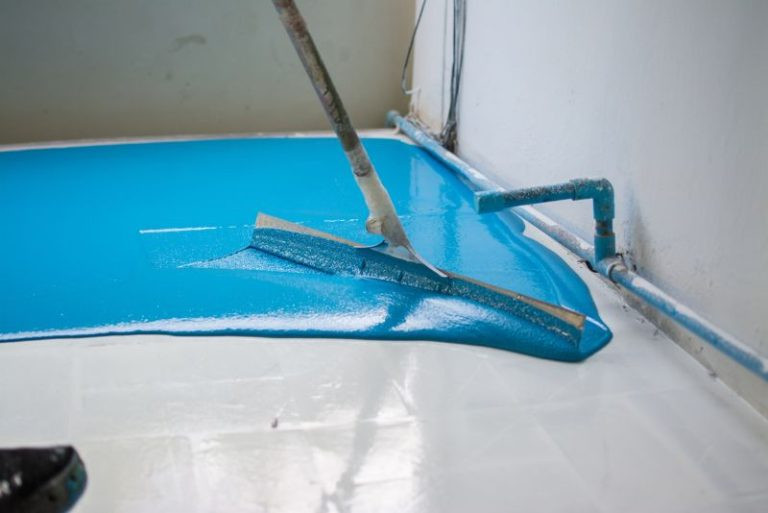
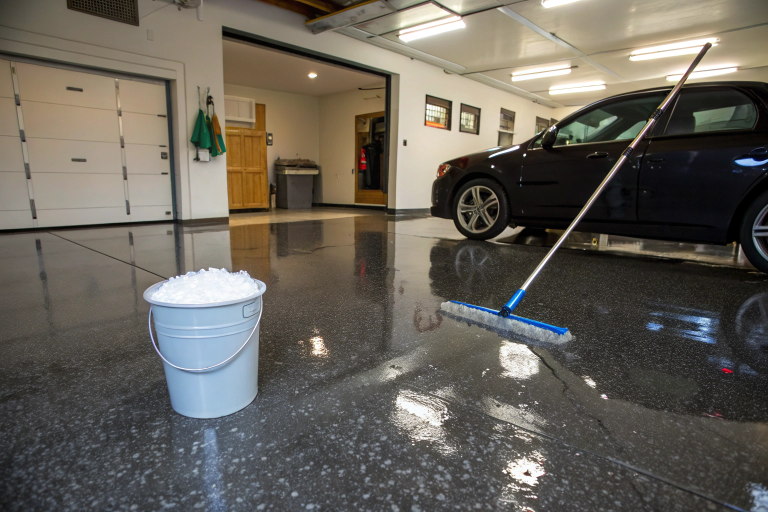
The good news is that modern epoxy flooring systems offer multiple solutions to prevent slipping. Anti-slip additives are one of the most effective options. These are small particles, such as aluminium oxide, silica sand, or rubber granules, that get mixed into the epoxy coating or sprinkled on top while it's still wet. Once the epoxy cures, these particles create a textured surface that dramatically improves traction. The amount of additive used can be adjusted based on the level of slip resistance needed. For areas that get wet frequently, such as commercial kitchens or car wash bays, a higher concentration of anti-slip particles is recommended. Another option is to choose a matte or satin finish instead of high gloss. These finishes naturally provide more grip than glossy surfaces. Crystal Epoxy Flooring Ipswich helps clients select the right combination of finish and additives based on how the space will be used and the level of foot traffic it receives.
Best Practices for Maintaining Safe Epoxy Flooring
Even the best anti-slip epoxy floor needs proper maintenance to stay safe. Regular cleaning is essential. Dirt, dust, grease, and spills can all reduce traction and create slip hazards. Sweeping or vacuuming the floor daily removes loose debris, while mopping with a mild detergent keeps the surface clean without leaving residue. It's important to clean up spills immediately, especially liquids like water, oil, or chemicals. Using the right cleaning products also matters. Harsh chemicals or overly slippery cleaners can leave a film that makes the floor more dangerous. Property owners should also inspect their epoxy floors regularly for signs of wear. Over time, high-traffic areas may become smoother as the anti-slip texture wears down. When this happens, applying a fresh topcoat with new anti-slip additives can restore the floor's safety features.
Choosing the Right Epoxy Finish for High-Traffic and Wet Areas
Not all epoxy flooring is created equal, and selecting the right type for your specific needs is crucial for safety. For areas that stay dry most of the time, such as residential garages or retail showrooms, a standard epoxy finish with moderate anti-slip properties may be sufficient. However, spaces that experience frequent moisture exposure require special attention. Commercial kitchens, food processing facilities, car washes, and outdoor areas need epoxy systems specifically designed for wet conditions. These typically include higher concentrations of anti-slip additives and may use specialised topcoats that enhance grip even when water is present. Crystal Epoxy Flooring Ipswich works with property owners throughout the Ipswich area to assess their unique requirements and recommend flooring solutions that balance aesthetics, durability, and safety. The company takes into account factors such as the type of business, expected foot traffic, and potential exposure to liquids when designing each epoxy flooring system.

Ready to Install Safe, Beautiful Epoxy Flooring in Ipswich?
Safety doesn't have to come at the expense of style. With the right epoxy flooring system, you can enjoy a stunning, durable floor that provides excellent slip resistance for years to come. Crystal Epoxy Flooring Ipswich specialises in creating custom epoxy solutions that meet the specific needs of homes and businesses across the region. Contact Crystal Epoxy Flooring Ipswich today for a free consultation and discover how professional epoxy installation can transform your space while keeping everyone safe.

Contact Information:
Crystal Epoxy Flooring Ipswich
281 Brisbane St
West Ipswich, QLD 4305
Australia
Jeff King
+61 7 3132 2671
https://ipswichfloorcovering.com/


